Hyundai Mufasa (CN)

MCW 41

Petrolhead
2023-hyundai-mufasa.jpg


2023-hyundai-mufasa.jpg


2023-hyundai-mufasa.jpg


2023-hyundai-mufasa.jpg


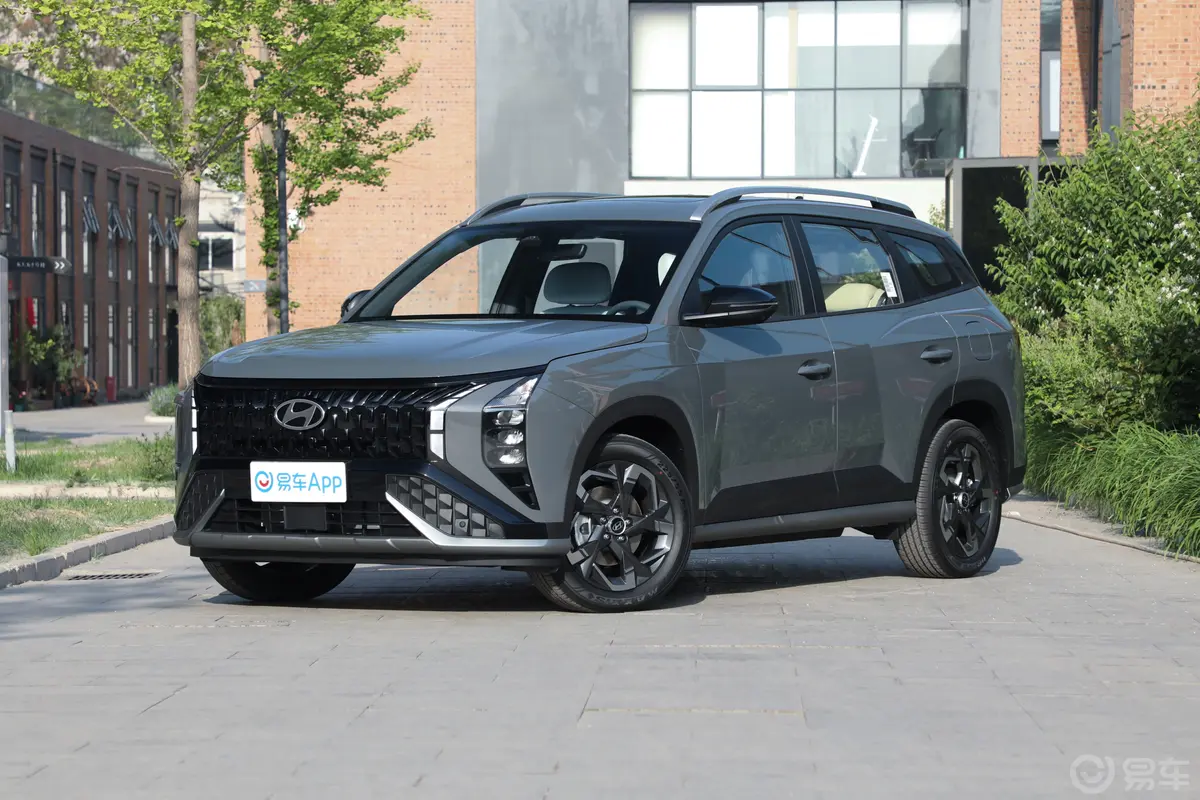
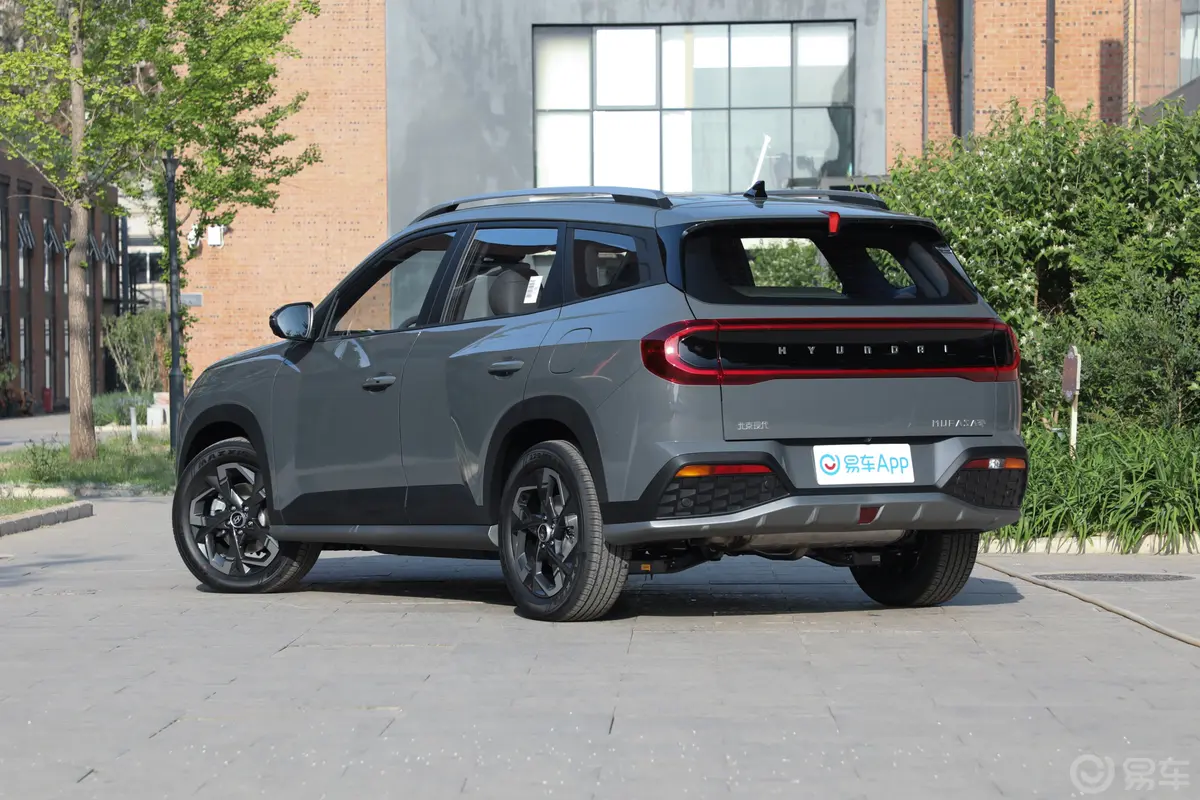
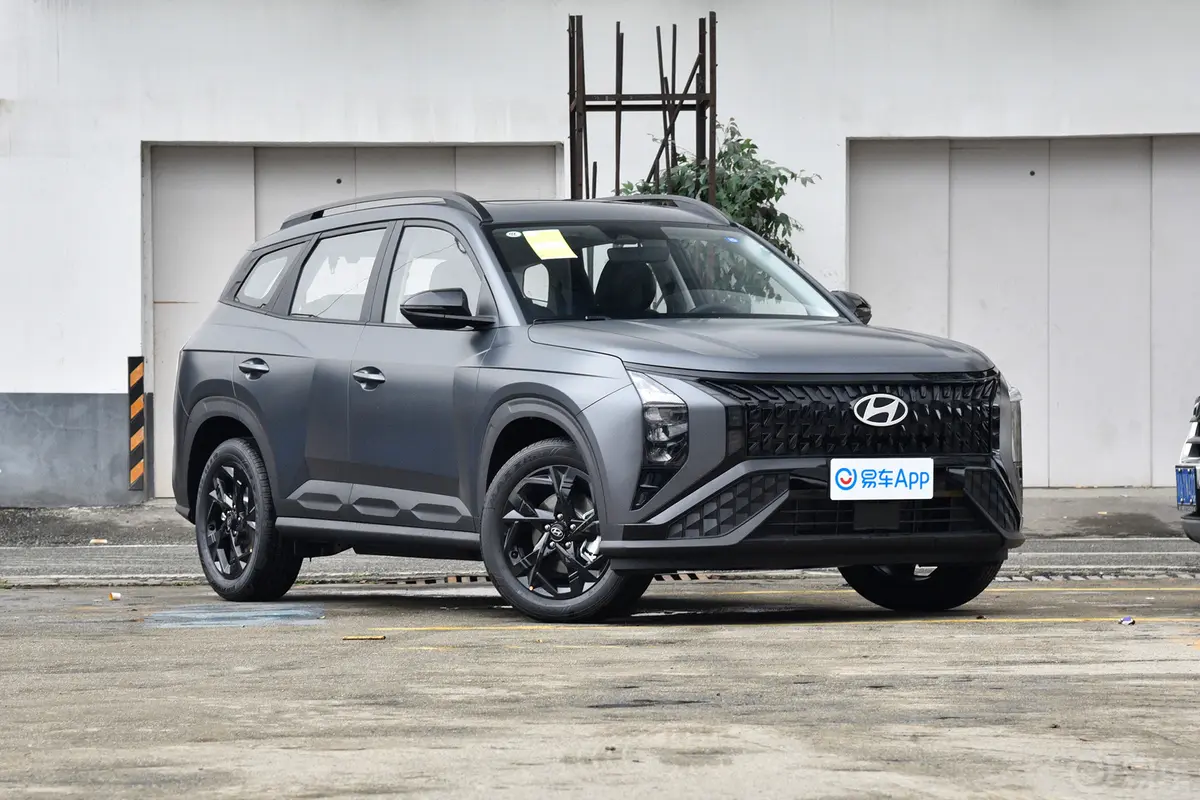
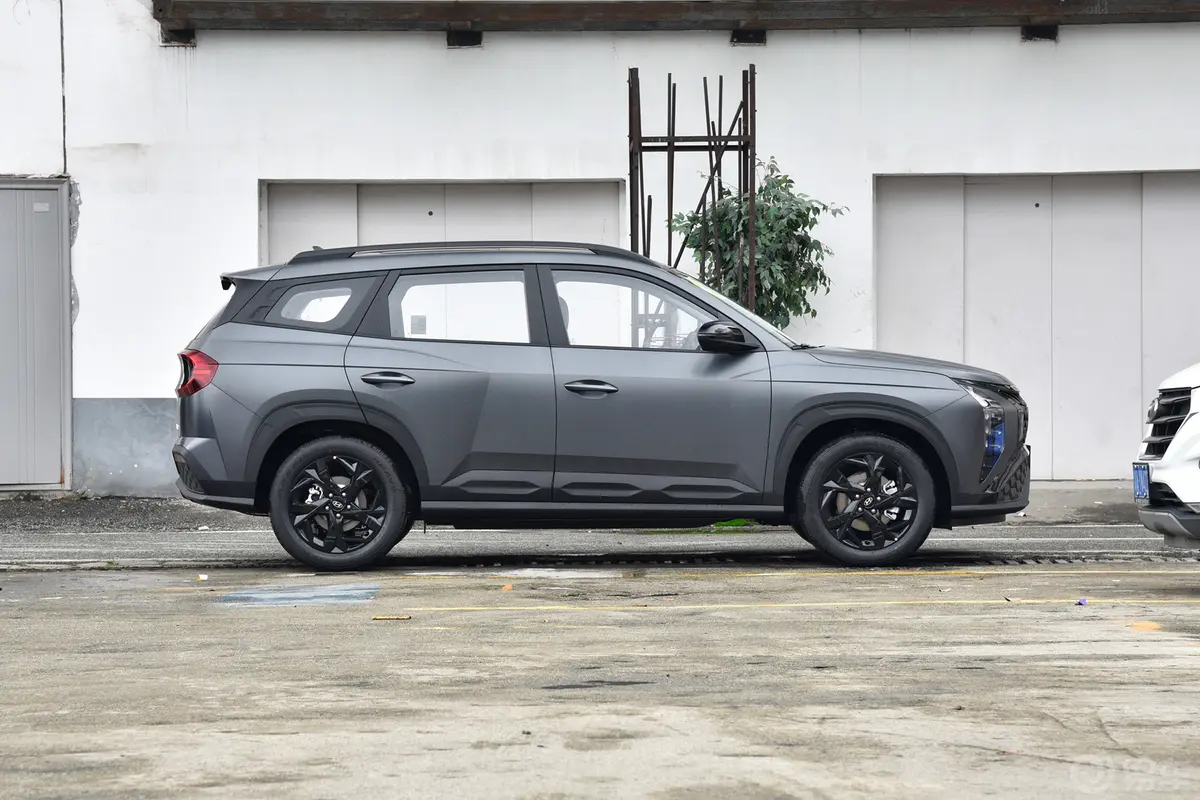
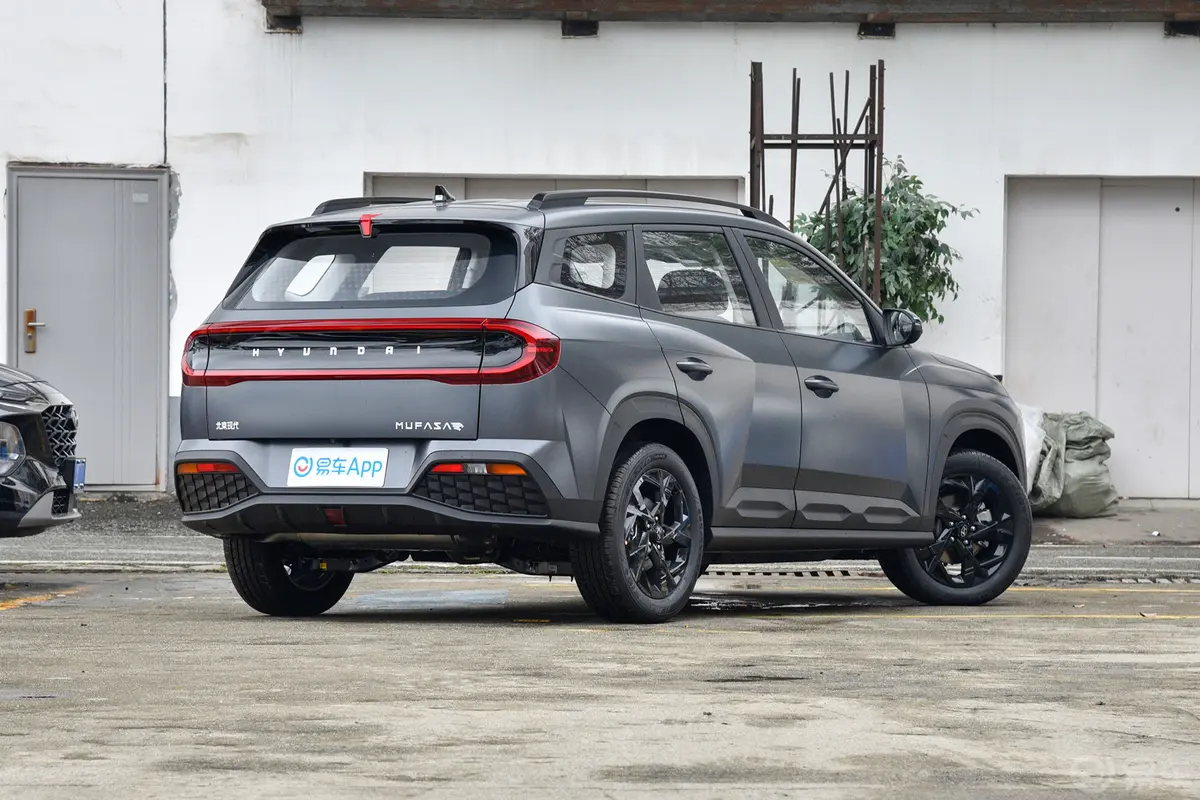
Although technical specifications have yet to be revealed by Hyundai, these were indirectly announced when the Mufasa was homologated by China's Ministry of Industry and Information Technology. The MIIT website showed the compact crossover is going to be 176.1 inches (4475 millimeters) long, 72.8 in (1850 mm) wide, and 65.5 in (1665 mm) tall, so similar to the short-wheelbase Tucson sold in Europe. It measures 105.5 in (2680 mm) between the axles and has a curb weight of 3,227 pounds (1,464 kilograms).

The same document revealed Hyundai intends to install an old-school 2.0-liter naturally aspirated engine with 160 horsepower channeled exclusively to the front wheels. Local media reports the Mufasa will also be offered with a hybrid setup later on, possibly with a 48V mild-hybrid configuration, but nothing is official at this point.

Following its public appearance at Auto Shanghai, the Mufasa will go on sale in China shortly thereafter.

 
Het gaat niet goed met Hyundai in China. Het aanbod aan lokaal geproduceerde modellen door Beijing (BAIC) Hyundai is flink teruggesnoeid, nu zijn er nog slechts de Elantra, Sonata, Custo, Mufasa, Tucson L en Santa Fe - binnenkort wordt de Elexio toegevoegd. Zustermerk Kia (Yueda Kia) houdt de Chinese fabrieken in toenemende mate draaiende door in te zetten op export. Zo is Kia inmiddels het grootste niet-lokale exportmerk van China. Hyundai heeft nog een flinke achterstand op Kia, maar is toch al de nummer twee.

Ook in Taiwan verkoopt Hyundai een Chinees model, de Custin (in China Custo). Dat is niet zo vanzelfsprekend als het lijkt in de Republiek China, want de verkoop van volledig in de Volksrepubliek China geassembleerde auto's is in Taiwan per wet verboden.

Anderhalf jaar geleden lanceerde CMC (die ook Mitsubishi's maken in Taiwan) met veel succes MG op de lokale markt. Dat leverde echter een probleem op:

The gray area existed because while Taiwanese law banned the sale of fully assembled Chinese cars in Taiwan, it did not regulate the origin of the components or the local content rate for domestically produced cars. The “MG model” of relying heavily on Chinese parts was almost indistinguishable from simply importing complete vehicles. CMC had crossed a line.

Nu is er een nieuwe wet:

The new regulations require all "Chinese car models"—whether they are owned by Chinese automakers like BYD and Geely, bought by Chinese brands like MG and Volvo, or founded as a joint venture between China and other countries, like Beijing Hyundai Motor Co.—to incorporate a specified percentage of locally produced parts. The policy mandates that Chinese car models assembled in Taiwan must include at least 15% locally sourced components in the first year, increasing to 25% in the second year, and 35% by the third year.


Dat had wat gevolgen in de tussentijd, want merken als MG en Hyundai moesten het percentage lokale gemaakte onderdelen van hun producten verhogen. Inmiddels zijn MG's weer volop leverbaar en heeft Hyundai de tweede grotendeels Chinese Hyundai aan het productaanbod toegevoegd: de Mufasa.

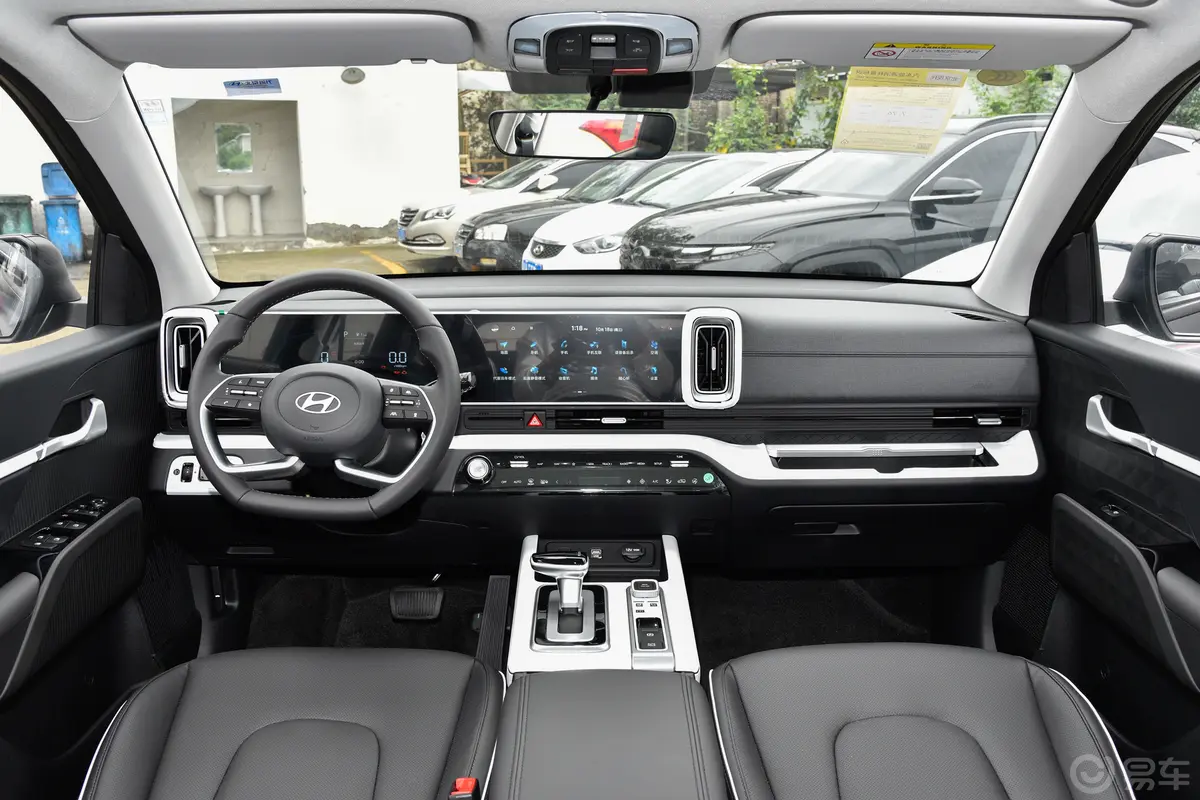
Nog wat foto's van de (Chinese) Mufasa:

w1200_m82_yichecar_202304266079250702383517369.jpg.webp


w1200_m82_yichecar_202304266107250705116333895.jpg.webp


w1200_m82_yichecar_2023102142781761828791614.jpg.webp


w1200_m82_yichecar_2023102118781761542725876.jpg.webp


w1200_m82_yichecar_2023102127781761652807807.jpg.webp


w1200_m82_yichecar_2023102173781766866077199.jpg.webp


Taiwanese pagina:
 
Terug
Bovenaan